Therapy for Adjustments
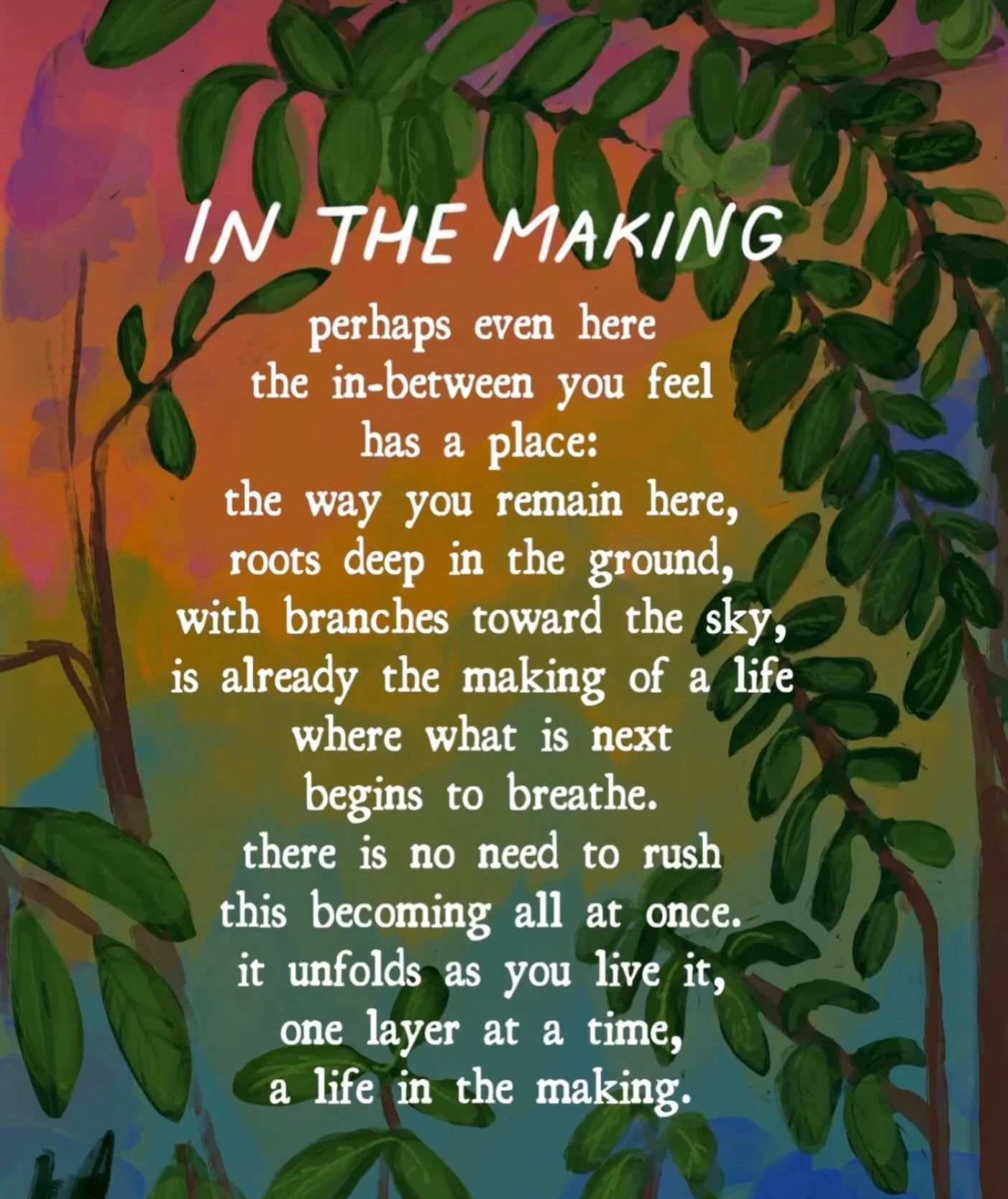
Life transitions can quietly reshape the way we see ourselves and our lives. A new chapter may look exciting from the outside, yet still bring feelings of loss, anxiety, or disorientation.
People often seek support during times such as:
Career changes or uncertainty about direction
Moving to a new city or leaving familiar communities
Relationship shifts, separation, or divorce
Becoming a parent or adjusting to a new family role
Graduating, retirement, or other major life milestones
Unexpected events that alter the path you thought you were on
These moments can stir up questions about identity, belonging, and purpose. Therapy creates space to slow down, process what you’re experiencing, and find a way forward that feels aligned with who you are becoming.
Transitions can be challenging and they can also open the door to meaningful growth.
Many life adjustments are quiet and gradual. They don’t always look like major milestones from the outside, yet internally they can shift how someone feels about themselves, their relationships, or their direction in life. These more subtle transitions are often the ones people struggle to name, even though they carry a real emotional impact.
Here are some examples of quieter life adjustments that often bring people to therapy:
Shifts in identity
Realizing you’ve outgrown parts of your life that once fit
Questioning long-held beliefs about work, relationships, or family
Adjusting to who you are becoming in your 30s, 40s, or beyond
Moving from being the “caretaker” or “strong one” to needing support yourself
Changes in relationships
Friends moving away or drifting apart
Becoming aware of patterns in relationships that no longer feel healthy
Navigating different life stages than the people around you
Adjusting to family members changing, aging, or needing care
Internal emotional shifts
Feeling less satisfied with work that once felt meaningful
A growing sense of restlessness or questioning your path
Grieving the life you thought you would have
Becoming more aware of past experiences that still affect you
Role changes that happen gradually
Children becoming more independent
Becoming the one others rely on in your family
Taking on leadership or responsibility that feels unfamiliar
Transitioning into a new stage of adulthood
Personal growth that creates tension
Setting boundaries for the first time
Letting go of perfectionism or people-pleasing
Often these adjustments don’t have a clear beginning or ending. People may simply notice that something inside feels different, or that life no longer fits in quite the same way it once did. Therapy can offer a place to slow down, explore these shifts, and find language for what is changing.